

Who I Am
I’m Paul Ross
I’m a dyslexic. It’s a word people know but rarely understand. My mind has always been a rainbow of colours, thoughts always competing to be heard, moving at full speed. The only constant has been my beautiful wife, who has the patience of a saint. I write, she reads, and together we make sure my thoughts are heard when I’m not in the room.
For me, books are time travellers. They carry the thoughts, feelings, and life of an author when they’re not in the room - even long after author may have turned to dust.
My Education
By thirteen, I’d been to at least eleven schools, moved back and forth between Southampton and London, and been passed from aunts to uncles as my family worked as publicans.
At thirteen, I was told I was completely illiterate - something I already knew. I thought I was going clinically mad back then. A mind of thoughts, each one fighting to get my attention. Remember, I didn’t write so I had no way of concentrating one just one thought when others would fly throw, round and into my mind. I never really told anyone, but it was a really hard time trying to cope back then.

At twenty-one, just a week after my first daughter was born, I entered adult education as a complete illiterate. All I wanted to do was read her a bedtime story. With one-to-one help from incredible women (whose names I’ve sadly forgotten but whose kindness I will never will), I learned to read. My spelling… well, let’s just say it’s still a little “over the rainbow.”

How I Started Writing
I didn’t write creatively until my early forties. One day I was reading a book - something I still didn’t do often - when a thought hit me. I had a pen but no paper. My wife said, “Write it in the book.”
So, I did something we’re taught never to do: I wrote on the dust cover.
“Never fall in love with your angel, with the intention of folding their wings.”
That one act shifted something in me. I started scribbling more thoughts in that book, filling its dust covers and margins. Not perfect spelling - just thought.
I found by having my thoughts out of my head and on paper I could look at each one and have time to think on them. Strange how I found it calmed my thinking. Having my thoughts out of my dome but next to me on paper was for me a revelation.
Soon after, I met a man who told me, “You’re allowed to write.” I know, it sounds so simple, but I’d never given myself permission before. My thoughts had always been like a never-ending sparkler - each spark fighting for space in my mind. That day, I let them out.
What My Books Are
My books aren’t polished to perfection. The grammar is loose, the spelling some would say is imperfect - the thing is, I want you to see me, not a cleaned-up edited, impossible for me a achieve version.
Some readers have told me my books help them feel what it’s like to be dyslexic - the pauses, the stumbles, the frustration, the honesty. If you find yourself thinking, “This is wrong, it’s not spelled right,” I’d ask you to stay with me. That moment of discomfort is a tiny reflection of what 20% of the population feel and face every day.
And if you want, treat it like a puzzle book - rewrite over my words, correct the spelling, make it yours.

A Stepping-Off Point for You
I believe we all get educated by the act of living, and we’re all the sum of everything that’s happened to us. If even one thing in my past had changed, I may not be who I am now - and write now I like who I am. I just wouldn’t wish my education on anyone.
And I believe this:
Letters without thought are just marks on a page, it’s thought that make letters dance.
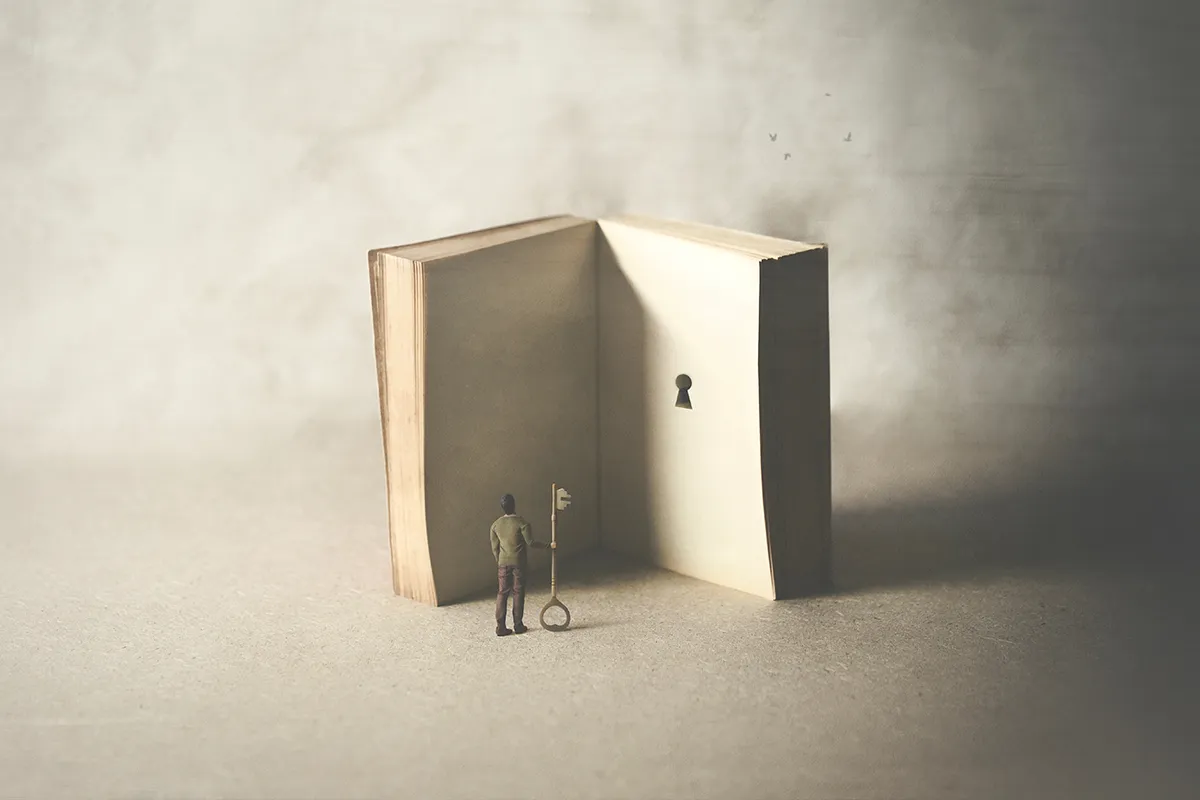
My books are there as stepping-off points for your own writing. No rules. No fear of “i before e.” No getting stuck on spelling. Just honesty.
Pick up a pen. Forget the rules for a moment. Read what’s on the page and write what’s in your head.
The spelling can wait - your ideas can’t.